

DANA MARDUK
FUTUREPRENEUR, DBA
LONGEVITY EXPERT
FUTUREPRENEUR, DBA
LONGEVITY EXPERT
SLIDE 01
Is Obesity a Disease? Is Aging?
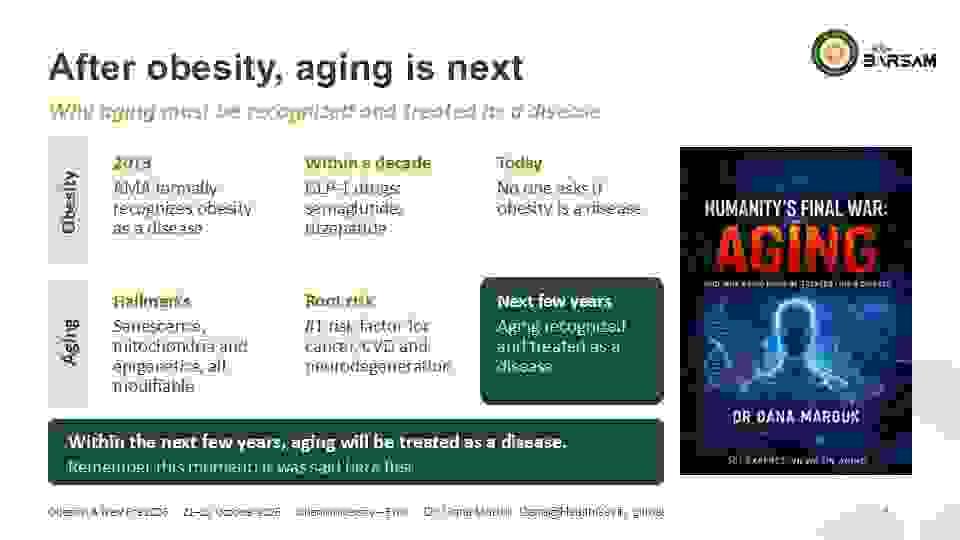
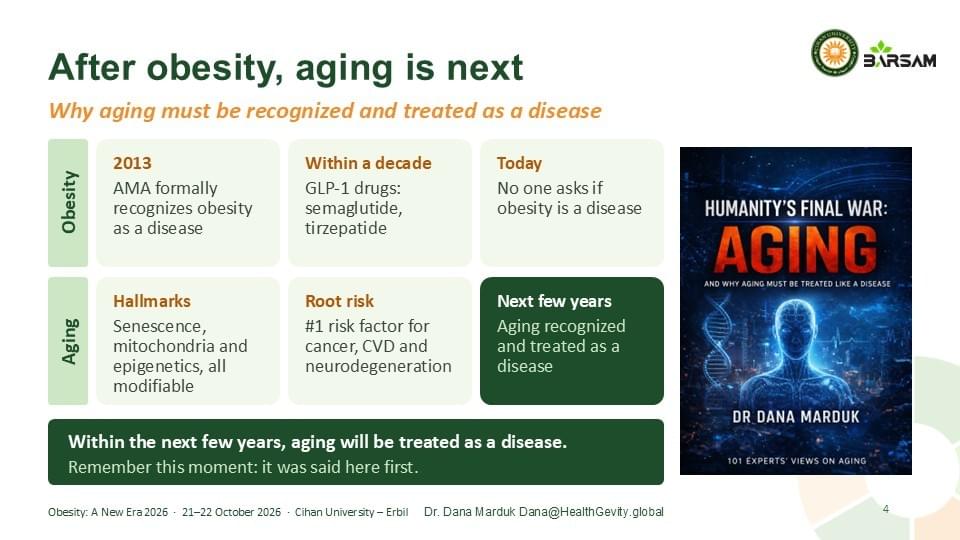
In 2013, the American Medical Association formally recognized obesity as a disease, and everything changed. A condition once dismissed as a lack of willpower became a legitimate therapeutic target. Within a decade, research and investment led to GLP-1 receptor agonists like semaglutide and tirzepatide, and today, asking whether obesity is a disease sounds almost strange.
I now ask the same question about aging. Geroscience shows that aging is driven by measurable, modifiable biological processes, the hallmarks of aging, such as cellular senescence, mitochondrial dysfunction and epigenetic alterations. These processes are the single greatest risk factor for cancer, cardiovascular disease and neurodegeneration. This is the central argument of my book, Humanity's Final War: Aging, where I explain why aging must be considered, and treated, as a disease.
So today, I want to make a statement and have it recorded at this conference: within the next few years, aging will be recognized and treated as a disease, just as obesity was. I ask you to remember this moment and hold on to these words. A few years from now, when that day comes, we will look back and know it was said here first.
SLIDE 02
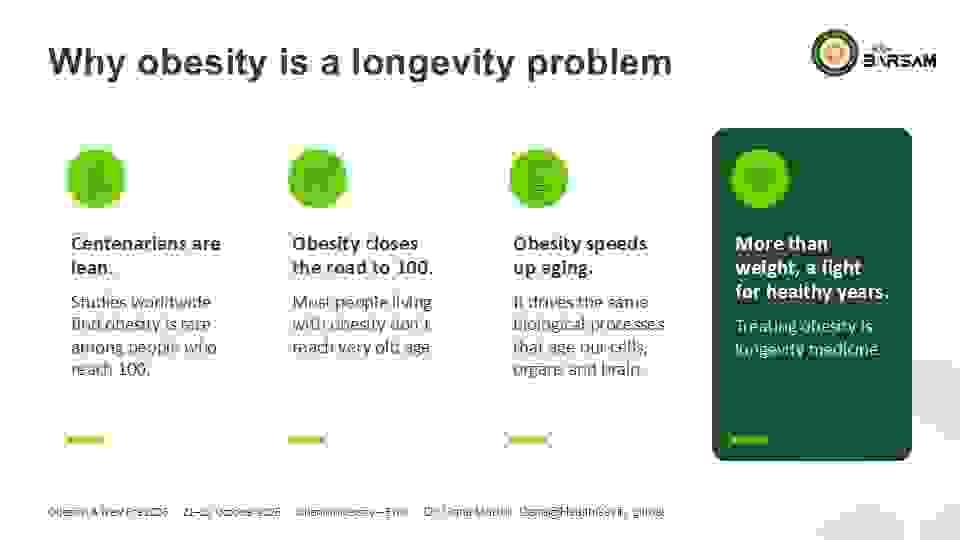
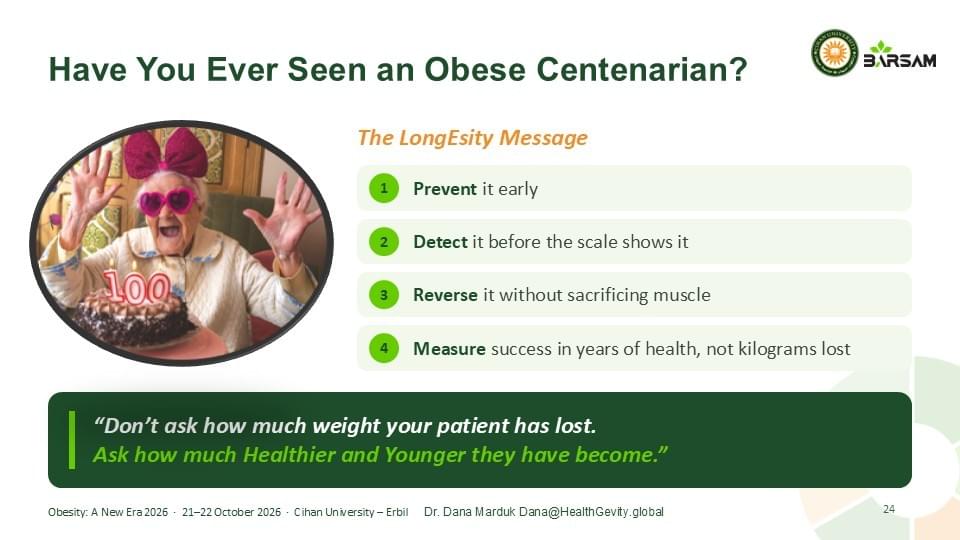
"Have You Ever Seen an Obese Centenarian?"
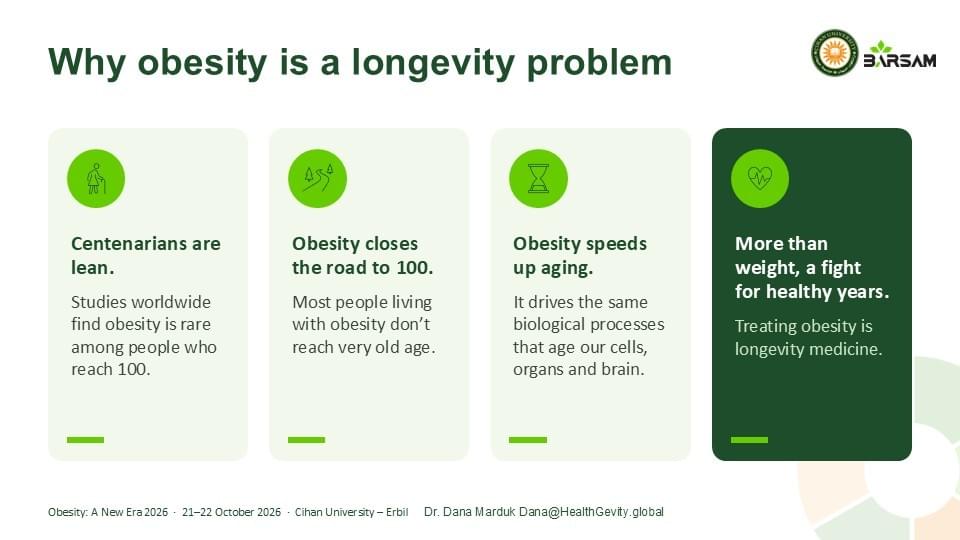
Picture a 100-year-old: a grandmother in Okinawa, a shepherd in Sardinia, an elderly man in the mountains of Kurdistan. They are almost always lean and active, because obesity is remarkably rare among centenarians. They didn't lose weight late in life. People with obesity rarely survive that long at all.
Obesity and longevity rarely coexist, because obesity is a disease that accelerates biological aging.
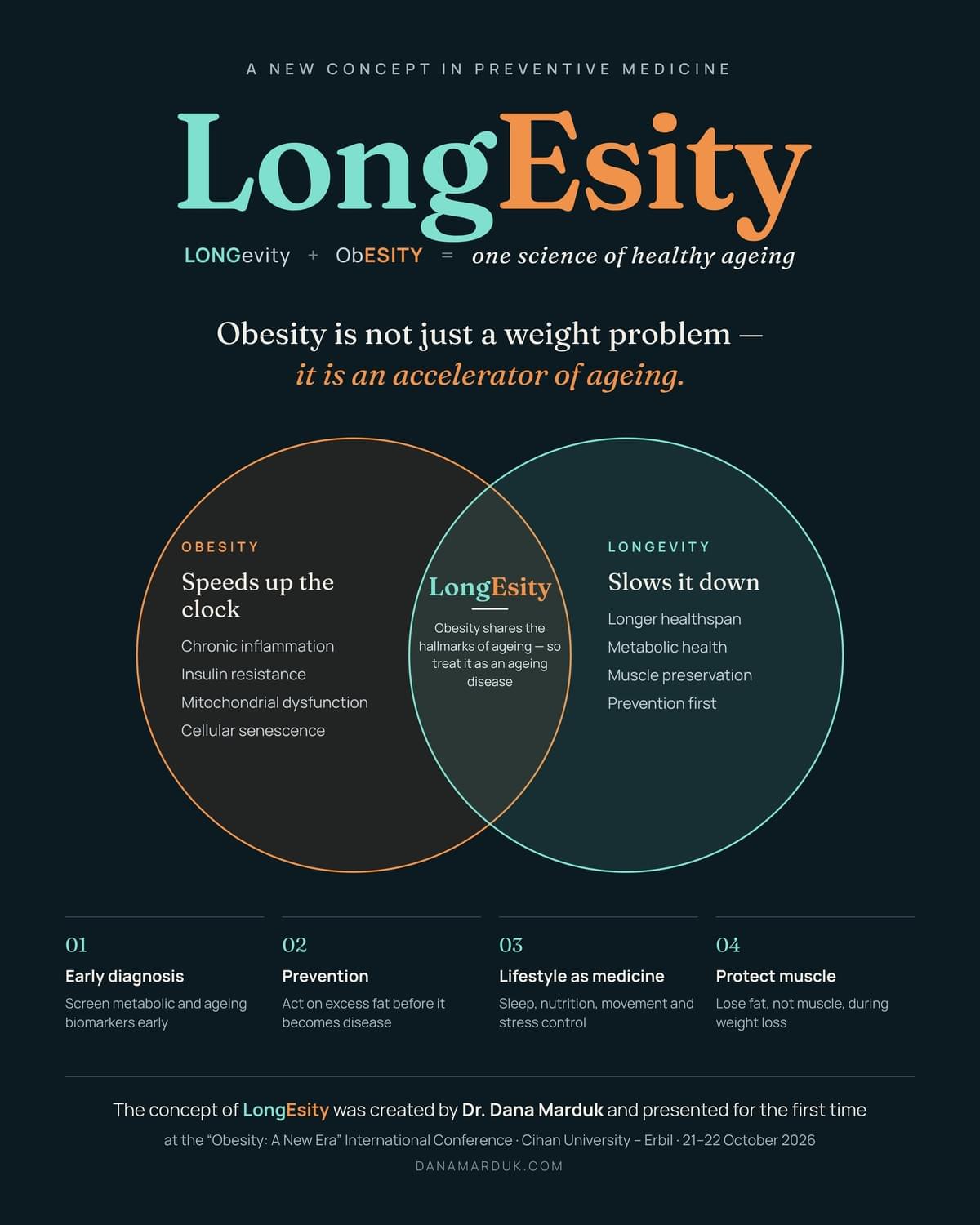
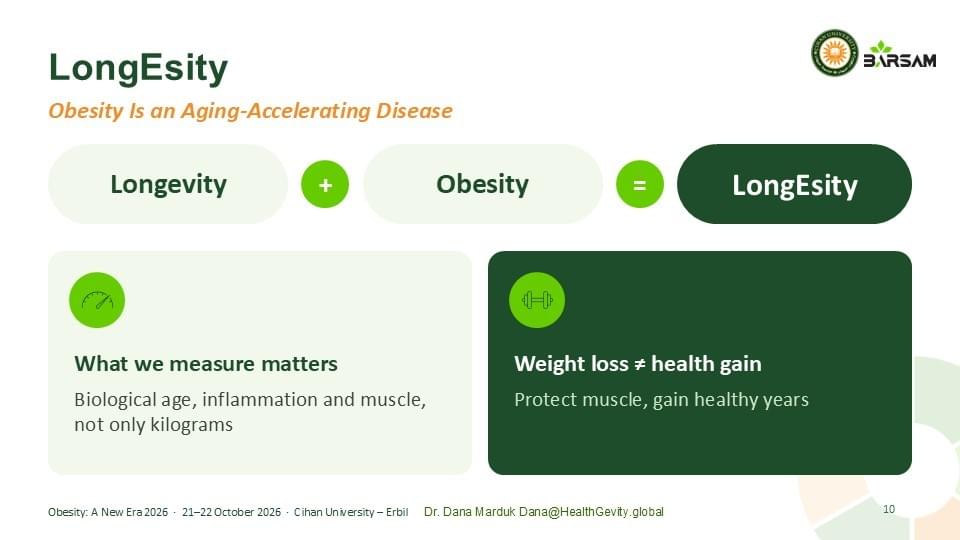
That is why I propose a new term, LongEsity, the intersection of longevity and obesity. Seen this way, treating obesity is about more than reducing a number on a scale. It becomes a strategy for extending healthy life.
SLIDE 03
What Is Longevity Medicine?
Let me begin with the field itself, since it is still unfamiliar to many clinicians.
Conventional medicine is mainly reactive. When hypertension appears, we treat blood pressure. When diabetes develops, we manage glucose. When cancer is diagnosed, we treat the tumour. This model has been very successful and has added decades to human life expectancy.
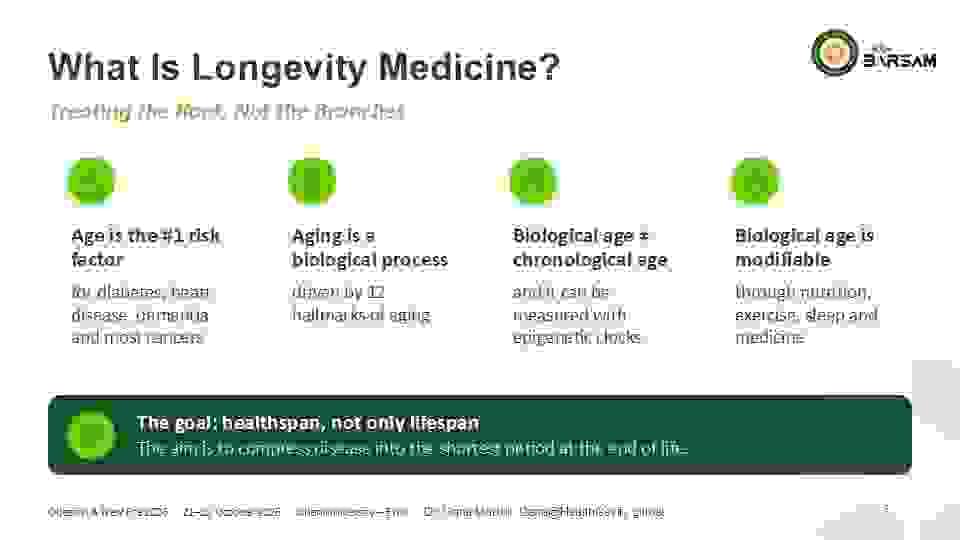
Yet the major chronic diseases share one feature. For type 2 diabetes, cardiovascular disease, dementia, most cancers and osteoarthritis, the strongest single risk factor is age itself, not smoking, diet or genetics. About 88% of cancers in the United States are diagnosed in people aged 50 or older, and the prevalence of dementia roughly doubles every five years after age 65.
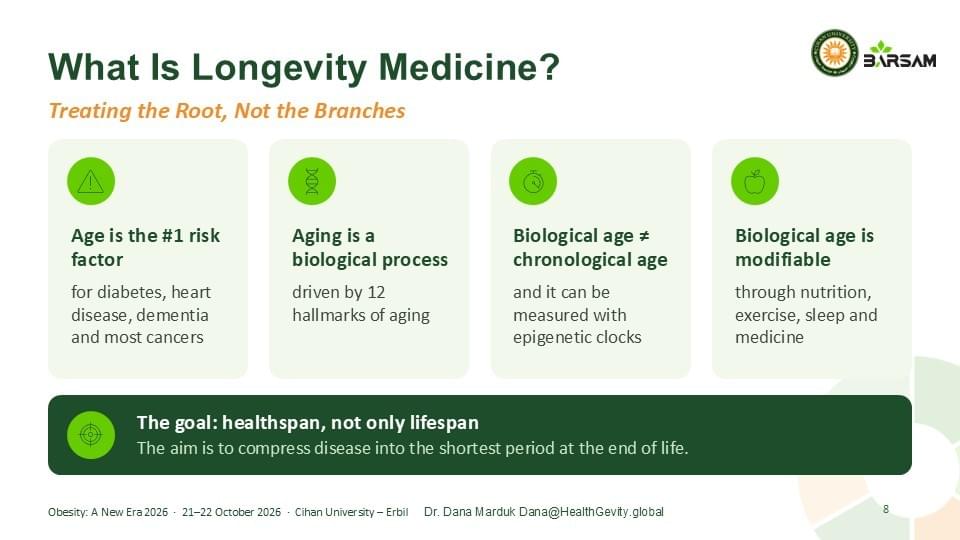
Longevity medicine therefore asks a simple question: if aging is the common root, why do we treat only the branches? This is the core of the geroscience hypothesis.
The field rests on three principles:
1. Aging is a biological process, not simply the passage of time.
It has identifiable mechanisms, now described as the hallmarks of aging. In the 2023 update there are twelve, including chronic inflammation, cellular senescence, epigenetic alterations, mitochondrial dysfunction, telomere attrition, stem cell exhaustion and deregulated nutrient sensing.
2. Biological age differs from chronological age.
In the Dunedin cohort, participants who were all 38 years old had biological ages ranging from under 30 to nearly 60. Today we can measure this gap with epigenetic clocks such as Horvath's clock, PhenoAge and DunedinPACE, along with functional biomarkers.
3. Biological age is modifiable.
It responds to nutrition, physical activity, sleep and, increasingly, pharmacological intervention. In the CALERIE randomised trial, two years of moderate calorie restriction slowed the pace of biological aging by about 2–3%.
The goal, therefore, is not just a longer life but a longer healthy life: healthspan, not only lifespan. Globally, people spend an average of about 9.6 years in poor health at the end of life, and in the United States this gap is 12.4 years. Longevity medicine aims for what James Fries called the compression of morbidity: shrinking disease into the shortest possible period at the very end of life.
SLIDE 04
LongEsity
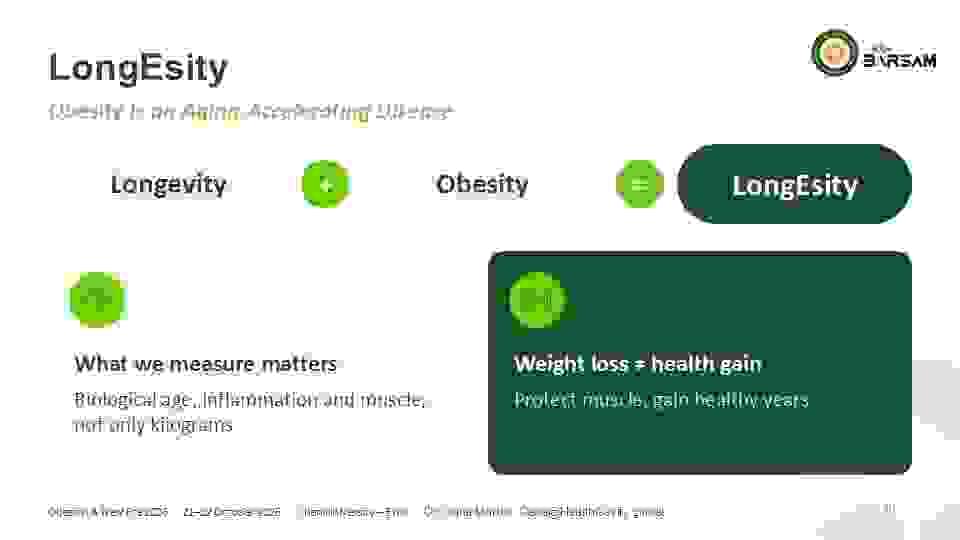
Let me now bring these two fields together into the central concept of this talk, which I call LongEsity: Longevity combined with obEsity.
LongEsity means treating obesity as an aging-accelerating disease. It should be prevented, detected early and reversed with the tools of longevity medicine, so that patients do not merely lose weight but gain healthy years of life.
Why does a new term matter? Because how we define a condition determines what we measure.
If obesity is a problem of weight, we measure kilograms, and success means a lower number on the scale. This view is increasingly questioned. The 2025 Lancet Diabetes & Endocrinology Commission concluded that BMI alone cannot diagnose disease, and that clinical obesity should be defined by its effects on organ function.
If instead obesity is a problem of aging, we measure biological age, inflammation, muscle mass and physical function. The evidence supports this view. Epigenetic studies show that higher BMI accelerates the epigenetic aging of liver tissue, by about 3.3 years for every 10 BMI units.
Under this framing, rapid weight loss is not automatically a success. In the STEP 1 trial of semaglutide, lean mass accounted for nearly 40% of the total weight lost. A patient who loses fifteen kilograms but loses much of their muscle and strength with it is not a success story. They risk sarcopenic obesity, which is associated with roughly 24% higher all-cause mortality.
In the next part of this talk, I will show why this second framing is the more scientifically accurate one.
SLIDE 05
Obesity Shares the Hallmarks of Aging
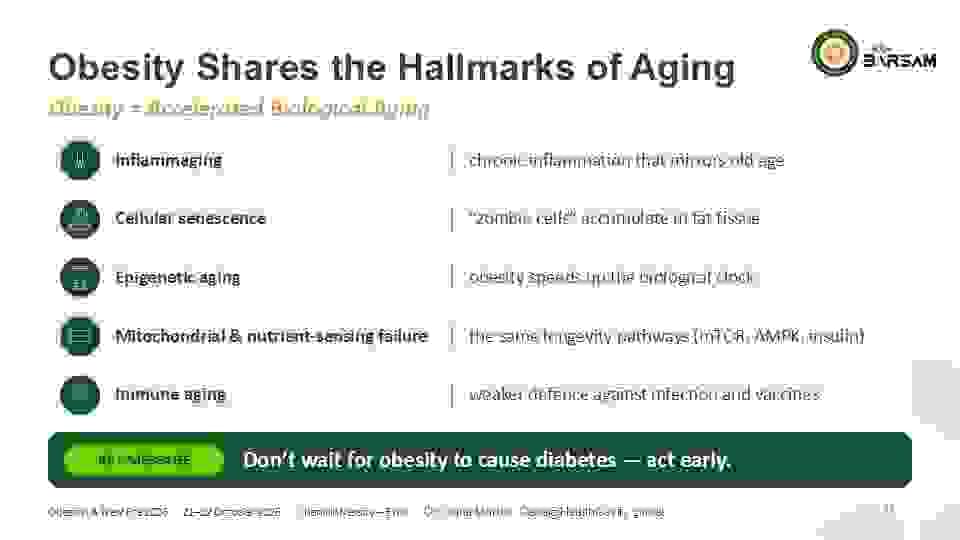
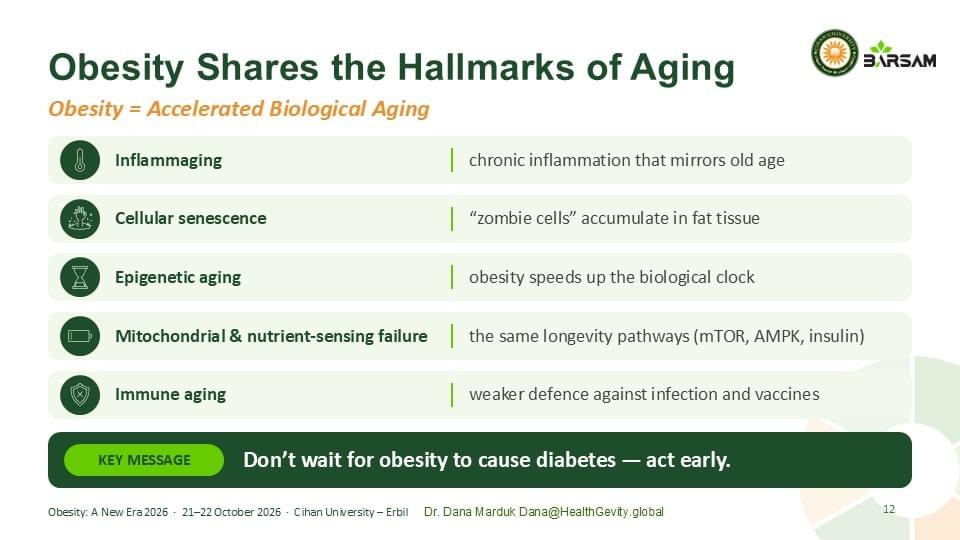
This brings us to the core argument of this talk. Recent reviews have identified about ten mechanisms through which obesity accelerates aging, and they match the hallmarks of aging almost one-to-one. Five are the most clinically relevant.
First, inflammaging: immune cells infiltrate obese fat, rising from about 10% of cells in lean tissue to 40–50%, and they drive chronic inflammation and insulin resistance. A young person with obesity can carry the inflammatory profile of an older adult. Second, cellular senescence: senescent cells accumulate in obese fat and damage surrounding tissue, and clearing them in obese mice improved insulin sensitivity. Third, epigenetic aging: the liver ages about 3.3 years faster for every 10 BMI units, which shows that excess fat changes how the genome is expressed. Fourth, mitochondrial dysfunction and nutrient sensing: obesity disrupts pathways such as mTOR and AMPK, the same pathways that extend lifespan when targeted. Fifth, immunosenescence: vaccinated adults with obesity are twice as likely to get influenza, and during COVID-19 severe obesity roughly doubled the risk of death.
Conclusion
Obesity is therefore neither cosmetic nor merely metabolic. It is a state of accelerated biological aging, and excess fat is an active inflammatory organ that ages the body from within.
Just as longevity medicine does not wait for aging to cause disease, we should not wait for obesity to cause diabetes before we intervene.
Passion
Use a text section to describe your values, show more info, summarize a topic, or tell a story. Lorem ipsum dolor sit amet, consectetuer adipiscing elit, sed diam nonummy nibh euismod tincidunt ut laoreet dolore.
How to Build a Website Like a Professional
You’ve read all your free member-only stories.
Become a member to get unlimited access and support the voices you want to hear more from.
SLIDE 06
Early Detection: Beyond BMI
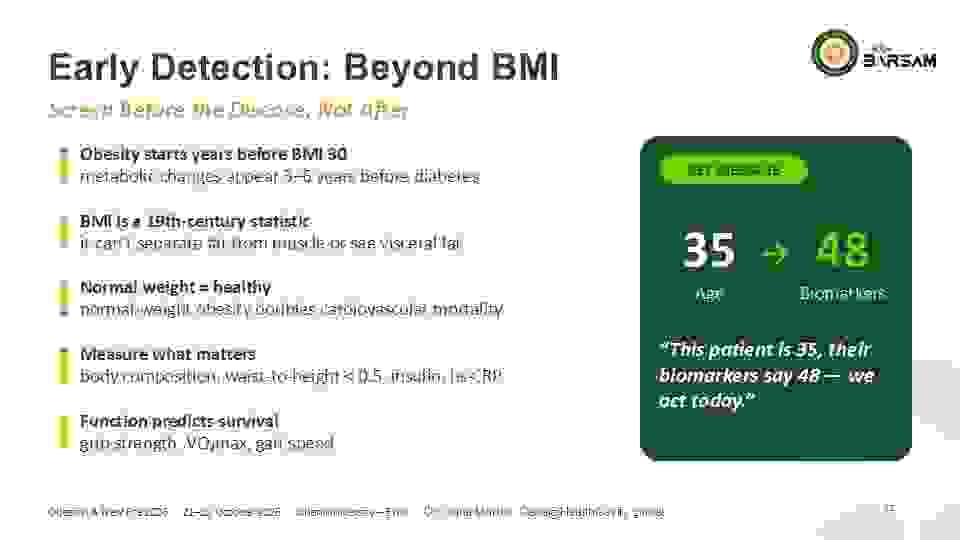
In oncology we screen before symptoms appear, and in cardiology we assess risk before infarction occurs. In obesity, however, we usually wait until the patient is visibly obese before we intervene.
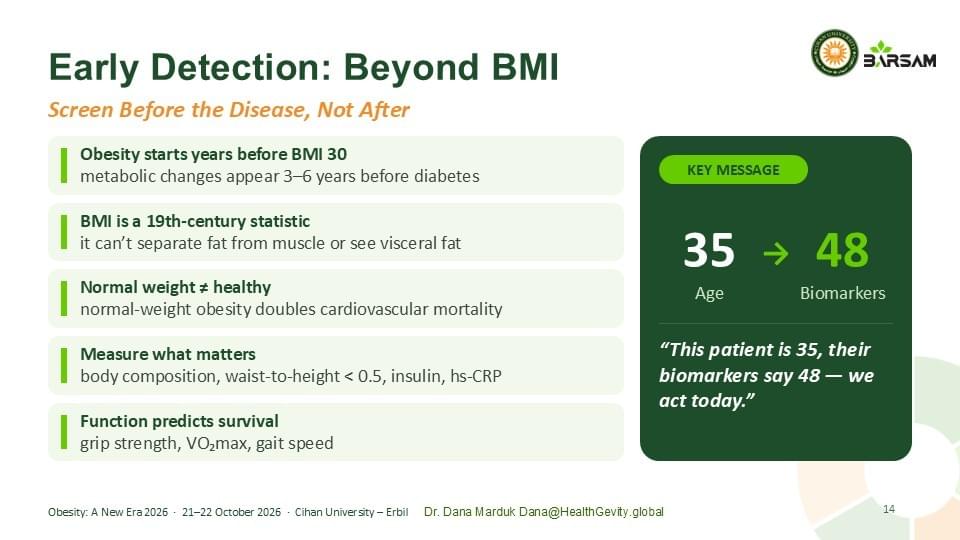
That is too late. By the time BMI exceeds 30, inflammatory and epigenetic processes have often been active for years. In the Whitehall II cohort, measurable changes in insulin sensitivity and glucose appeared three to six years before type 2 diabetes was diagnosed.
BMI itself is a 19th-century population statistic. Adolphe Quetelet developed it in the 1830s, and it was never intended to assess individual health. It cannot distinguish fat from muscle, and it cannot detect visceral fat, which is the most metabolically harmful type. The 2025 Lancet Commission accordingly recommended that BMI be confirmed with at least one other measure of body size or composition.
Patients with a normal BMI but excess body fat, known as normal-weight obesity, face significant risk. Women with this profile had more than twice the cardiovascular mortality of women with normal body fat. Similarly, people with a normal BMI but central obesity had higher mortality than people classified as obese by BMI alone. Such a patient may be biologically older than an overweight person who exercises regularly.
If we treat obesity as accelerated aging, the screening panel must change accordingly:
Current practice The LongEsity approach
BMI Body composition: fat mass, lean mass, visceral fat
Body weight Waist-to-height ratio (target < 0.5)
Fasting glucose HbA1c, fasting insulin, HOMA-IR
Lipid panel hs-CRP and other inflammatory markers
— Grip strength, VO₂max, gait speed
— Biological age estimate, where available
Functional measures are among the strongest predictors of survival. Each 5 kg reduction in grip strength is associated with 16% higher all-cause mortality. Each one-unit (1-MET) increase in cardiorespiratory fitness is associated with about 13% lower mortality. Gait speed alone predicts survival in older adults.
Most of these measurements are inexpensive and already available in our hospitals. What needs to change is not the technology but our clinical mindset: this patient is 35, their biomarkers suggest 48, and we will intervene today.
SLIDE 07
Prevention: Fat Cells Never Forget
I now want to present what may be the strongest scientific argument for prevention to emerge in recent years.
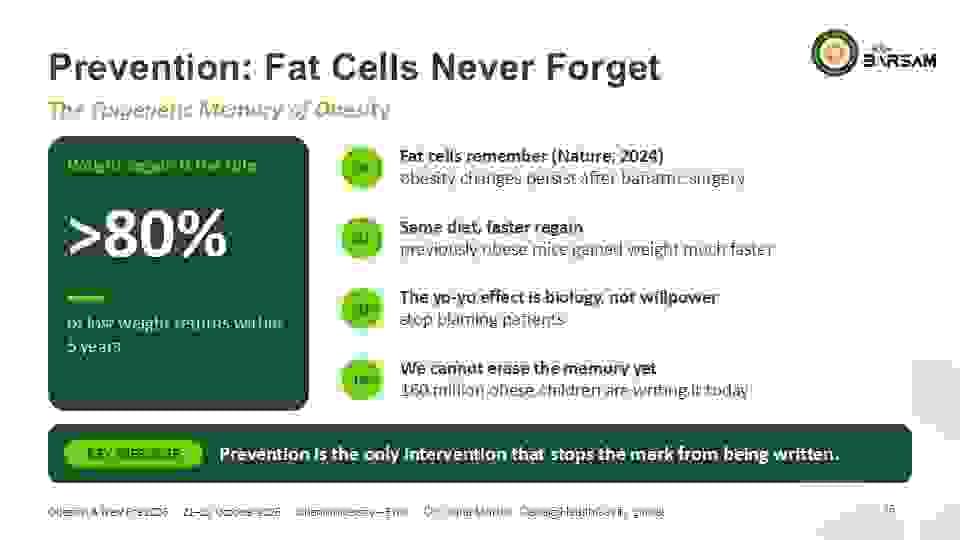
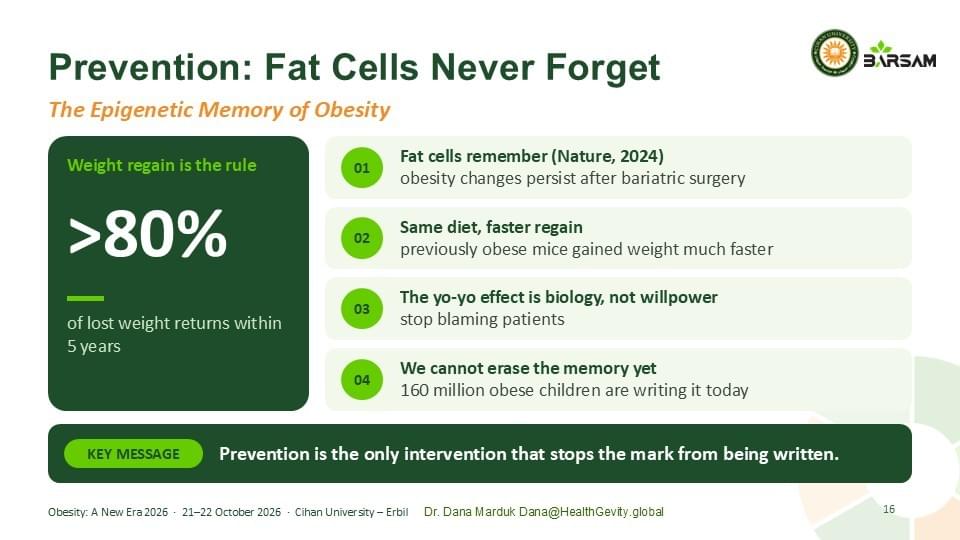
Weight regain after weight loss is one of the most consistent findings in obesity medicine. A meta-analysis of long-term studies found that more than half of lost weight is regained within two years, and more than 80% within five years. For a long time, the reasons were not fully understood.
In 2024, researchers at ETH Zurich published a study in Nature that helps explain this phenomenon. They analysed adipose tissue from people with obesity before and after bariatric surgery, and compared it with tissue from people who had never been obese.
Their findings were striking. Obesity caused lasting changes in gene expression in fat cells that persisted for up to two years after surgery-induced weight loss. In mouse models, the researchers traced this persistence to epigenetic changes in the nucleus of fat cells, a form of cellular "memory" of the obese state.
They then tested the functional effect of this memory. Previously obese mice and mice that had never been obese were fed the same high-fat diet. The previously obese mice regained weight considerably faster, nearly three times as much in the same period, despite eating identical food.
Two conclusions follow.
First: weight regain is biological
The "yo-yo effect" is not simply a failure of willpower. It is biological. As clinicians, we should stop attributing it to patients' lack of discipline.
Second: we cannot yet erase this memory
We cannot currently erase this epigenetic memory. This is especially relevant for children. Adipocyte number is largely established during childhood and adolescence and stays roughly constant in adulthood. Around 80% of adolescents with obesity remain obese as adults. Today more than 160 million children and adolescents worldwide live with obesity. Every year a child spends with obesity may leave marks in their cells that current medicine cannot fully reverse.
Prevention is therefore not the gentle or optional part of obesity care. From a longevity perspective, prevention is the only intervention that acts at the level of the epigenome, because it stops the mark from being written in the first place.
SLIDE 08
For the Patient Who Is Already Obese
Prevention addresses the next generation, but most of our current patients already live with obesity. What can longevity medicine offer them?
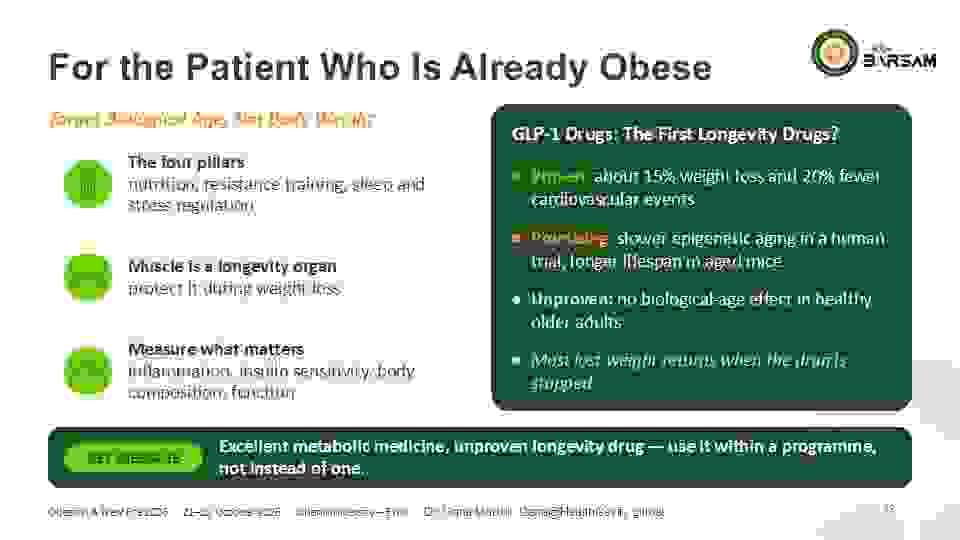
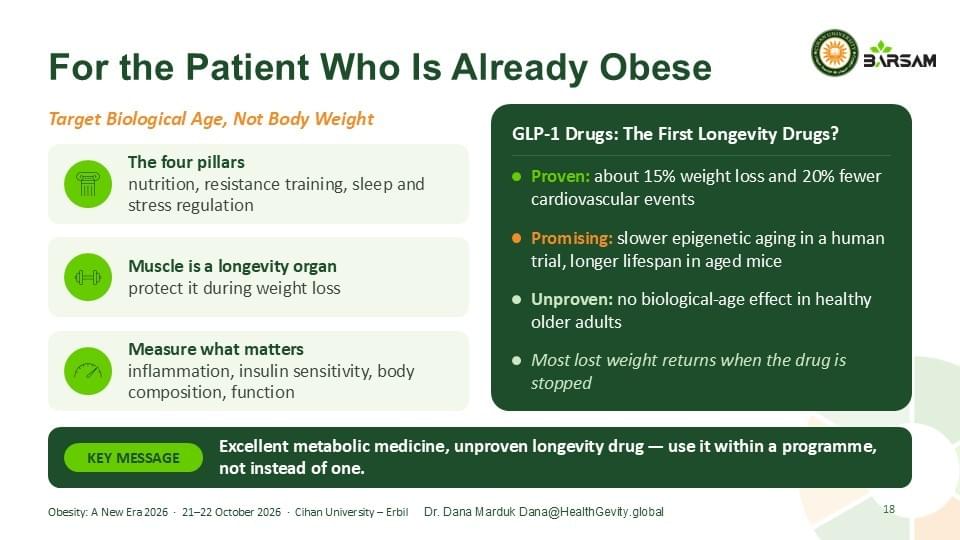
It offers a different therapeutic target: not just moving the scale, but reducing biological age. Weight loss is a means, not the outcome.
Four lifestyle pillars remain the foundation of care:
● Protein-sufficient, minimally processed nutrition. In a controlled trial, an ultra-processed diet led people to eat about 500 more kcal per day than an unprocessed diet.
● Resistance training, not only aerobic exercise, because muscle is a longevity organ. In older adults with obesity, combining both during weight loss best preserved lean mass and function.
● Seven to nine hours of quality sleep. Sleep restriction lowered leptin by 18%, raised ghrelin by 28% and increased hunger by about 24%.
● Stress and circadian regulation. Chronic stress and high cortisol are linked to more visceral fat.
None of this is new to this audience. What is new is the measurement: we track inflammation, insulin sensitivity, body composition and physical function, not kilograms alone.
The GLP-1 question
What about GLP-1 receptor agonists? Their metabolic benefits are well established. In STEP 1, semaglutide produced about 15% weight loss, and in SELECT it reduced major cardiovascular events by 20%.
Interest in their effects on aging is growing. In a randomised trial of 108 adults with HIV-associated lipohypertrophy, semaglutide slowed the DunedinPACE aging clock by about 9%. In a 2026 Nature study, it extended the median lifespan of aged female mice by nearly 100 days. Some researchers now ask whether GLP-1 agonists could be the first true longevity drugs.
Caution is still needed. A 2026 Nature Medicine analysis of 51 longevity interventions found no biological-age effect for semaglutide in healthy older adults. As lead author Raghav Sehgal put it, “Losing weight or improving glucose control is not the same as showing that aging itself has slowed.” And after stopping semaglutide, about two-thirds of the lost weight returns within a year.
The evidence-based position is clear: GLP-1 agonists are excellent metabolic drugs with promising but unproven anti-aging effects. We prescribe them for obesity and diabetes, not for longevity, and within a comprehensive programme, not instead of one.
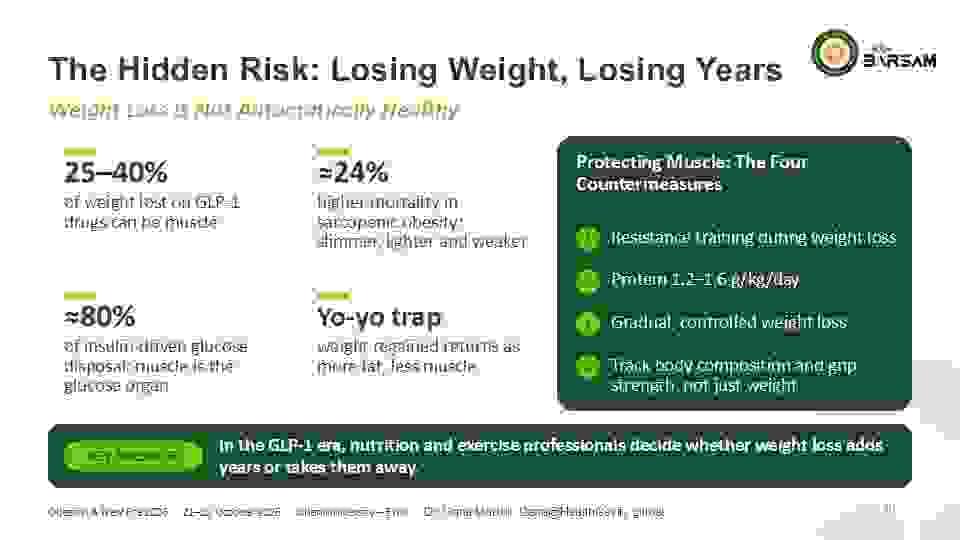
SLIDE 9
The Hidden Risk: Losing Weight, Losing Years
This brings me to my final and most important warning for the clinicians in this room.
Weight loss is not inherently healthy. Its value depends on which tissue is lost.
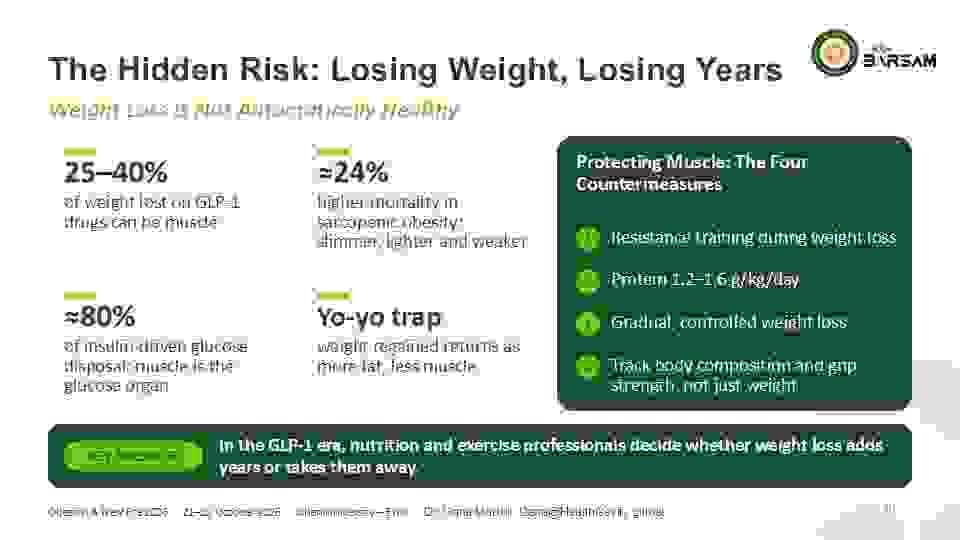
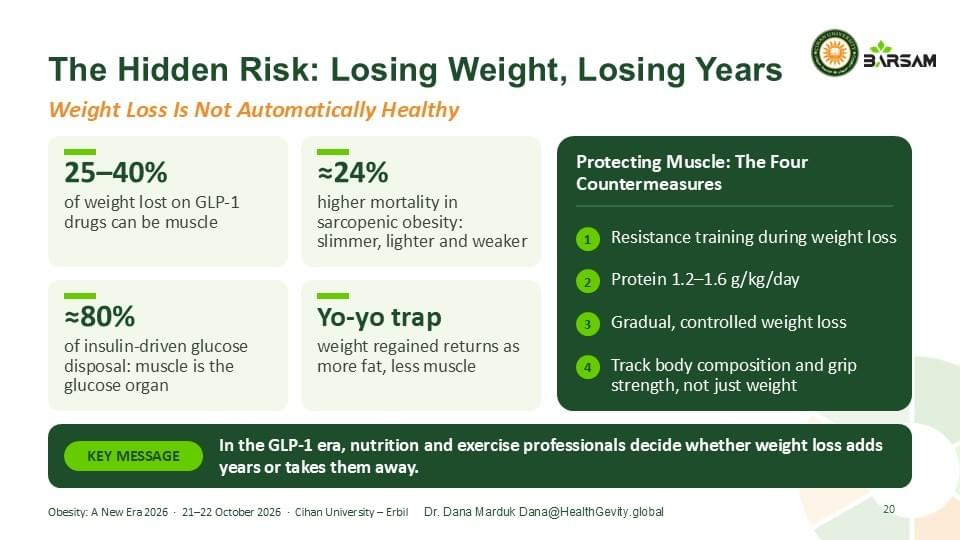
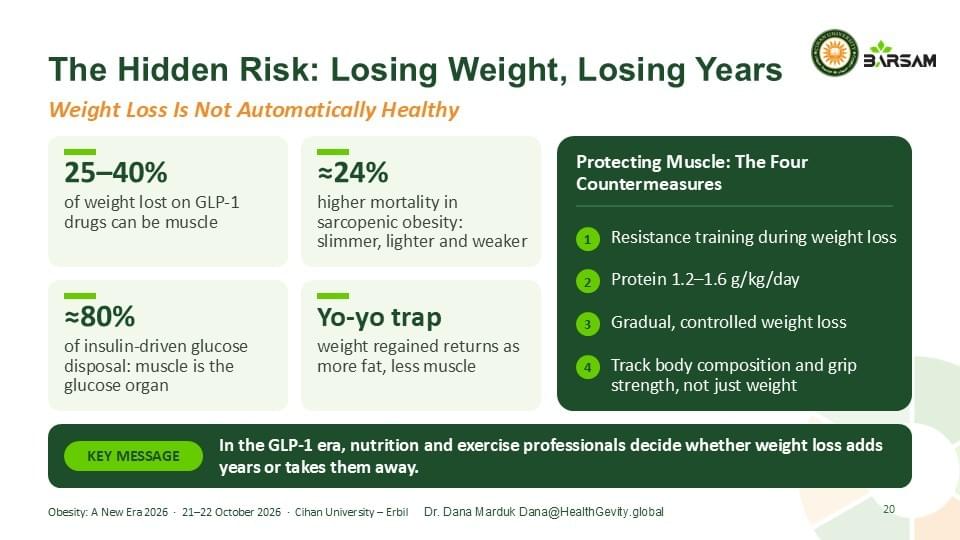
In clinical trials of incretin-based therapies, lean mass has accounted for roughly 25–40% of total weight lost. In the SURMOUNT-1 DXA substudy of tirzepatide, the figure was about one quarter. A similar proportion is seen after bariatric surgery and conventional calorie restriction. The main drivers are reduced energy and protein intake, catabolic signalling, physical inactivity and anabolic resistance.
Some experts argue that this proportion is to be expected with any major weight loss, and that muscle quality may even improve. The clinical concern lies with older and vulnerable patients.
A 30-year-old can usually rebuild lost muscle. In a 65-year-old, however, rapid weight loss risks sarcopenic obesity: a patient who looks slimmer and weighs less but is functionally weaker than before treatment. This condition is associated with about 24% higher all-cause mortality. Muscle loss also increases the risk of falls, frailty and disability, and it worsens glycaemic control, because skeletal muscle accounts for about 80% of insulin-stimulated glucose disposal.
The risk grows with weight regain. In older women, weight regained after intentional weight loss consisted proportionally more of fat than of lean mass. Repeated cycles of loss and regain can therefore leave a patient with more fat and less muscle than before.
From a longevity perspective, this is the central paradox of the GLP-1 era: we may be removing the fat that accelerates aging while also removing the muscle that protects against it.
The countermeasures are well established, even if they are not glamorous:
1. Resistance training throughout the weight-loss phase, not afterwards. In older adults with obesity, combined resistance and aerobic training during weight loss best preserved lean mass and function.
2. Adequate protein intake of about 1.2–1.6 g/kg body weight per day, in line with expert recommendations for older adults and patients losing weight.
3. Gradual, controlled weight loss rather than the fastest possible reduction.
4. Monitoring body composition and grip strength, not body weight alone.
Notice who delivers these interventions. It is not the surgeon and not the drug. It is the dietitian, the clinical nutritionist and the exercise professional. In the GLP-1 era, your role has not diminished. It is what determines whether weight loss adds years of healthy life or takes them away.
SLIDE 10
The Weight-Loss Drug That Slows Aging
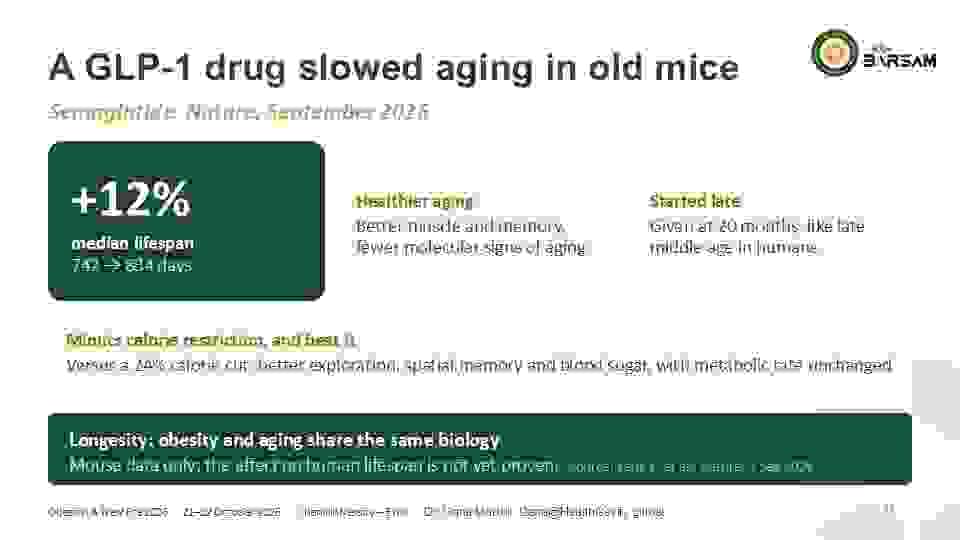
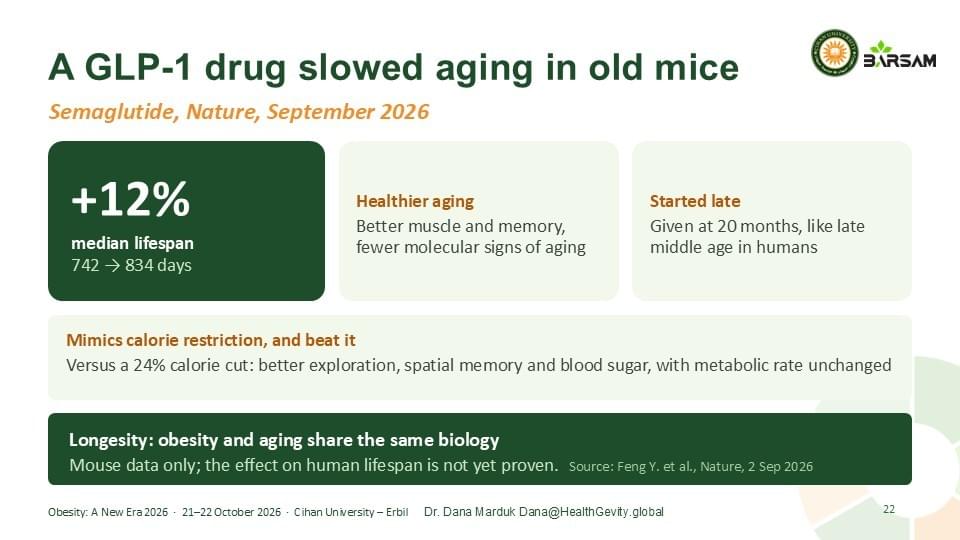
In September 2026, a study published in Nature reported that older female mice taking a GLP-1 obesity drug lived longer than mice not taking one, and that the treatment also slowed several biological changes associated with aging. Researchers at the University of California, Berkeley gave semaglutide to 20-month-old female mice, roughly the equivalent of late middle age in humans, and their median lifespan rose from 742 to 834 days. The treated mice also showed better muscle and cognitive function and fewer molecular signatures of aging.
The mechanism is what makes this so important. The authors propose that GLP-1 drugs act as calorie-restriction mimetics, and they found that semaglutide given late in life alleviated the hallmarks of aging. Calorie restriction is one of the most reliable ways to slow aging, but it is hard to sustain. Here the drug reproduced its benefits and in some areas went further: compared with mice on a 24% calorie-restricted diet, the semaglutide-treated mice did better in exploratory behavior, spatial memory and blood-sugar control. Unlike the dieting mice, their metabolic rate stayed largely unchanged.
This is the essence of what I call LongEsity: obesity and aging are not two separate problems but two faces of the same biology. A therapy that targets one may slow the other, so a drug designed to reduce weight may turn out to be among the first medicines that help us live not only thinner, but healthier and longer.
These results come from mice, and their effect on human longevity is not yet proven. Still, they bring us one step closer to treating aging itself as a disease.
How to Build a Website Like a Professional
You’ve read all your free member-only stories.
Become a member to get unlimited access and support the voices you want to hear more from.
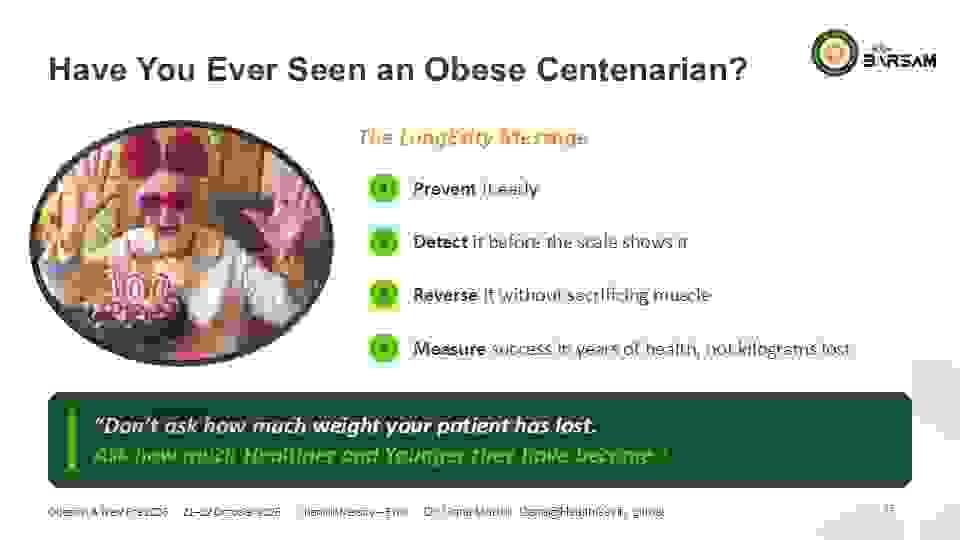
Years of Health, Not Kilograms Lost
Let me end where I began, with a question: have you ever seen an obese centenarian?
Think again of the person we pictured at the start: the grandmother in Okinawa, the shepherd in Sardinia, the elderly man in the mountains of Kurdistan. They did not reach 100 by chance. Their bodies avoided the very processes we have discussed today: chronic inflammation, senescent cells, epigenetic acceleration and the loss of muscle. Their leanness is not the cause of their longevity. It is the visible sign of a body that has aged slowly.
The difference between a person who reaches 100 and one who does not is not a number on a scale. It is years of life, and years of health within that life.
So here is the LongEsity message in one sentence:
Treat obesity as the aging disease it is: prevent it early, detect it before the scale reveals it, reverse it without sacrificing muscle, and measure success in years of health, not kilograms lost.
If this audience adopts only one change tomorrow, let it be this: stop asking patients how much weight they have lost, and start asking how much younger they have become.
Perhaps then, in the decades ahead, more of the children growing up in Kurdistan today will become the healthy centenarians of tomorrow.
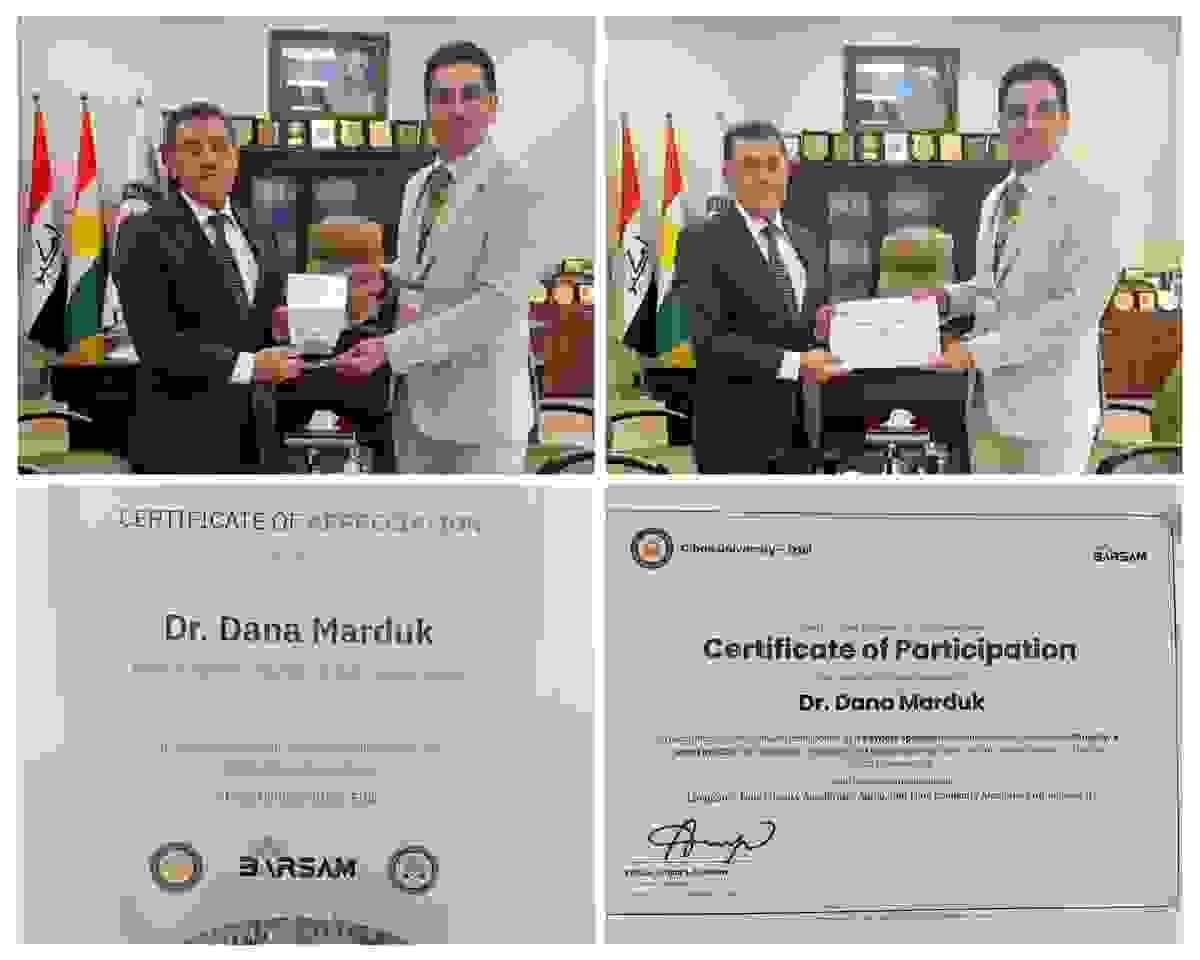
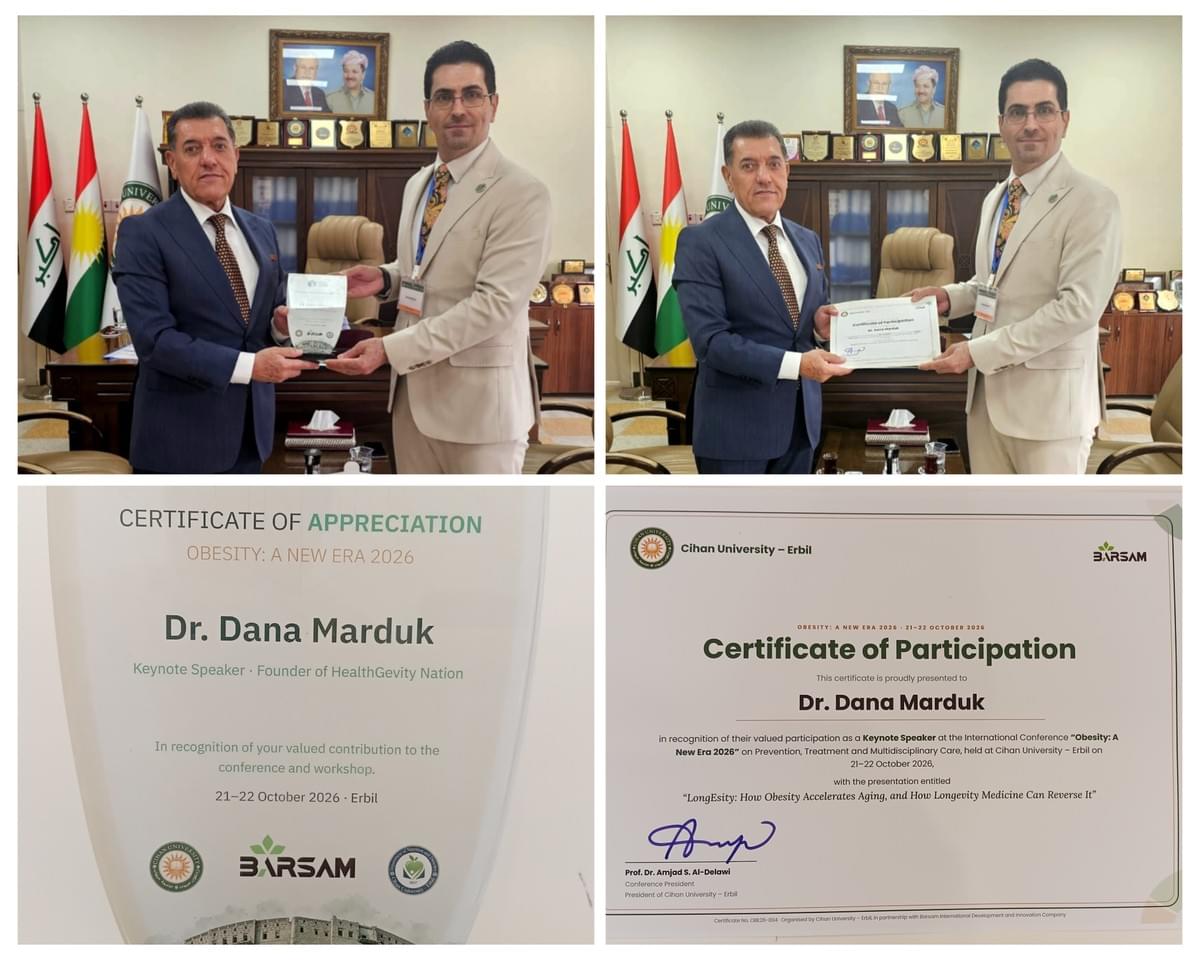
The Certification of appreciation from Cihan University
Dana Marduk© 1981- ♾